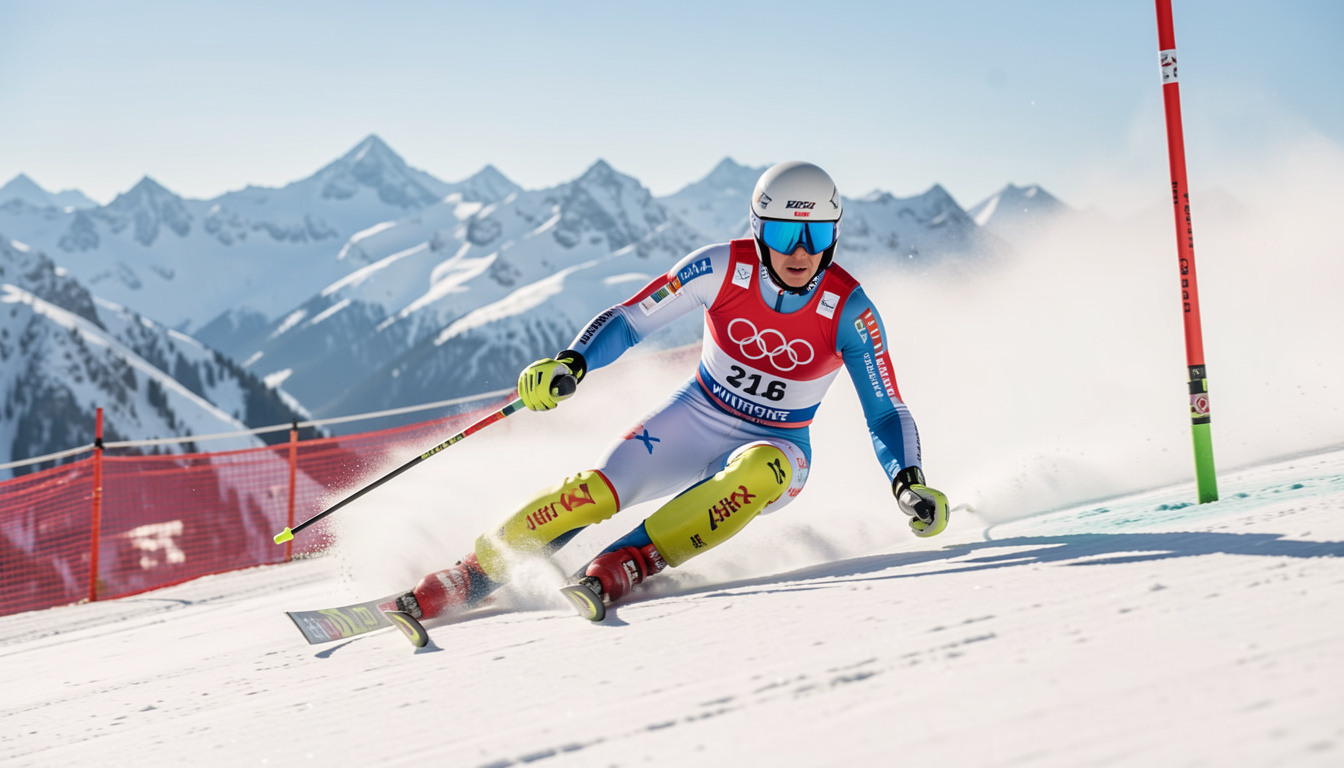
The 2026 Winter Olympics alpine skiing events are set to be one of the most thrilling highlights of the Winter Games. With the world’s best skiers competing on challenging slopes, breathtaking scenery, and historic venues, alpine skiing will once again capture global attention. Hosted primarily in northern Italy, the 2026 Winter Games promise a blend of tradition, innovation, and elite athletic performance.
The alpine skiing competitions will take place during the 2026 Winter Olympics, officially known as Milano Cortina 2026. Italy, a country rich in winter sports heritage, will provide the perfect backdrop for intense racing, dramatic finishes, and unforgettable Olympic moments.
Below is a comprehensive look at what to expect from alpine skiing at the 2026 Winter Olympics.
Host Cities and Venues
The 2026 Winter Olympics are being jointly hosted by Milan and Cortina d’Ampezzo. While Milan will host many indoor events, alpine skiing will be centered in Cortina d’Ampezzo, a historic ski resort town in the Dolomites.
Cortina is no stranger to the Olympics. It previously hosted the Winter Games in 1956 and has since remained one of Europe’s premier alpine destinations. The alpine skiing events will primarily be held at the renowned Tofane slopes, known for their steep gradients and technical difficulty.
The iconic Olympia delle Tofane course, famous on the FIS World Cup circuit, will challenge athletes with demanding turns, high speeds, and unpredictable winter conditions. Spectators can expect dramatic downhill races and technically precise slalom runs against the stunning mountain backdrop.
Alpine Skiing Events at Milano Cortina 2026
Alpine skiing at the 2026 Winter Olympics will feature a range of disciplines that test speed, skill, and strategy. Both men and women will compete in multiple events, including:
Men’s Downhill
Women’s Downhill
Men’s Super-G
Women’s Super-G
Men’s Giant Slalom
Women’s Giant Slalom
Men’s Slalom
Women’s Slalom
Alpine Combined (if retained under final Olympic program updates)
Mixed Team Parallel Event
Each event showcases a different aspect of alpine skiing. Downhill is all about raw speed, with athletes reaching speeds over 130 km/h. Super-G combines speed with technical elements, while giant slalom and slalom demand precision and agility. The mixed team parallel event brings an exciting head-to-head format that adds a dynamic team element to the competition.
The International Ski and Snowboard Federation (FIS) continues to refine event formats, so there may be slight adjustments leading up to the Games.
Athletes to Watch
Although the final qualification lists will not be confirmed until closer to the Games, many elite skiers are expected to compete in 2026. The alpine skiing world has been dominated in recent years by athletes from countries such as Switzerland, Austria, Norway, the United States, and Italy.
Fans may see top competitors from previous Olympics return to defend or improve upon their performances from the 2022 Winter Olympics. By 2026, rising stars from the FIS World Cup circuit are also likely to emerge as serious medal contenders.
Italian skiers, in particular, will enjoy the advantage of competing on home snow. With strong traditions in speed events and technical disciplines, the host nation will aim for podium finishes in front of passionate local crowds.
Qualification Process
Qualification for the 2026 Winter Olympics alpine skiing events will be based on FIS rankings and quota allocations. Nations earn spots based on athlete performance in international competitions, primarily the FIS World Cup and World Championships.
Each country is limited in the number of athletes it can enter per event. This ensures a broad international representation while maintaining the highest competitive standards. Smaller ski nations also have pathways to qualify through minimum performance standards, helping to grow the sport globally.
The final number of athletes and quotas will be confirmed by the International Olympic Committee and FIS in the lead-up to the Games.
Course Design and Safety
Alpine skiing is one of the most physically demanding and high-risk Winter Olympic sports. For Milano Cortina 2026, course designers will prioritize both competitive fairness and athlete safety.
The Tofane slopes are known for their steep pitches and technical sections. Organizers will implement advanced safety measures such as reinforced netting systems, airbag barriers, and continuous snow preparation to ensure optimal racing conditions.
Weather conditions in the Dolomites can vary significantly in February, with changes in temperature affecting snow texture. Course crews will work around the clock to maintain consistent surfaces, especially for speed events like downhill and Super-G.
Technology and Innovation
The 2026 Winter Olympics are expected to showcase cutting-edge sports technology. From ski design and aerodynamic suits to real-time data analytics, alpine skiing continues to evolve.
Athletes now train with sophisticated motion-capture systems and video analysis tools that allow coaches to refine technique down to the smallest detail. Ski manufacturers develop equipment using advanced materials to maximize stability, edge grip, and speed.
Broadcasters will also utilize enhanced camera angles, drone footage, and biometric data overlays to bring viewers closer to the action than ever before.
Spectator Experience
Cortina d’Ampezzo is famous for its vibrant atmosphere and scenic beauty. Visitors attending the alpine skiing events will experience world-class hospitality, Italian cuisine, and breathtaking mountain views.
The Dolomites, a UNESCO World Heritage site, offer a dramatic natural setting that enhances the Olympic experience. Fans can expect well-organized transportation systems connecting venues, along with fan zones and cultural celebrations throughout the region.
The integration between Milan and Cortina ensures that spectators can enjoy both the excitement of city-based events and the charm of alpine competition.
Environmental Sustainability
Sustainability is a core theme of the 2026 Winter Olympics. Organizers aim to reduce the environmental footprint of the Games by utilizing existing venues and minimizing new construction.
Cortina’s established ski infrastructure allows for efficient event planning without large-scale environmental disruption. Energy-efficient systems, sustainable transportation initiatives, and carbon reduction strategies are part of the long-term legacy plan.
Protecting the fragile mountain ecosystem is a priority, especially in a time when climate change is impacting winter sports globally.
Historical Significance
Italy’s return as a Winter Olympic host marks a significant moment in Olympic history. Cortina d’Ampezzo previously hosted the Winter Games in 1956, making 2026 a symbolic return after 70 years.
Alpine skiing has always been one of the centerpiece sports of the Winter Olympics. Legendary performances over the decades have elevated athletes to global fame and inspired generations of skiers.
Milano Cortina 2026 will build on that legacy, combining historic venues with modern innovation.
Conclusion
The 2026 Winter Olympics alpine skiing competitions promise speed, precision, drama, and unforgettable Olympic moments. Set against the stunning backdrop of Cortina d’Ampezzo’s Dolomite peaks, the world’s top skiers will battle for gold in some of the most demanding events in winter sports.
From downhill’s breathtaking velocities to slalom’s technical mastery, alpine skiing remains one of the most captivating disciplines of the Winter Games. With passionate fans, elite athletes, and Italy’s rich sporting tradition, Milano Cortina 2026 is poised to deliver a spectacular showcase of alpine excellence.
As anticipation builds, one thing is certain: the slopes of Cortina will once again become the stage for Olympic history.
FAQs
When will alpine skiing take place at the 2026 Winter Olympics?
Alpine skiing events will be held during the 2026 Winter Olympics in February 2026. The exact competition schedule will be released closer to the Games.
Where are the alpine skiing events being held?
The alpine skiing competitions will take place in Cortina d’Ampezzo, Italy, primarily on the Tofane slopes in the Dolomites.
How many alpine skiing events will there be?
There will be multiple events for men and women, including downhill, Super-G, giant slalom, slalom, and a mixed team event. Final confirmation of the full event list will come from the International Olympic Committee.
How do athletes qualify for the Olympic alpine skiing events?
Athletes qualify based on FIS rankings and performance in international competitions such as the World Cup and World Championships. Each country receives a limited number of quota spots.
Why is Cortina d’Ampezzo significant for alpine skiing?
Cortina d’Ampezzo is a historic ski resort that hosted the 1956 Winter Olympics. It is known for its challenging slopes and has long been a key venue on the international alpine skiing circuit.

